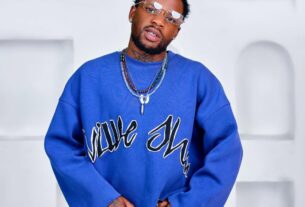
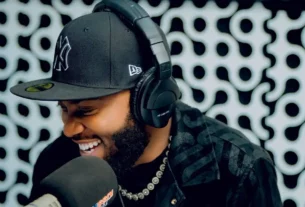
An Exclusive by Rwandanews24 with Entertainment Journalist Sibomana Emmanuel
The rise of digital media has completely reshaped the entertainment journalism landscape across the world.
In a special sit-down with Rwandanews24.com, Rwandan entertainment journalist Sibomana Emmanuel widely recognized for his analysis on radio, television, and YouTube platforms, as well as his role as Patrick in the renowned BBC drama Urunana DC opens up about the challenges and opportunities facing entertainment journalism today.
Born on January 1, 1988, in Kigoma Sector, Nyanza District, in Rwanda’s Southern Province, Sibomana Emmanuel has carved a unique path in the country’s showbiz scene. With a deep passion for nurturing young talent, promoting integrity, and protecting the future of Rwandan music, he offers not just opinions but practical solutions.
The Power and Problem of Social Media in Today’s Entertainment Journalism
“In every traditional newsroom, there is a chief editor, a fact-checking process, a legal review, and ethical guidelines. But on social media, anyone can post anything, even if it’s wrong,” Sibomana begins.
Today, entertainment journalists no longer compete solely with other media houses. They now share the digital stage with untrained influencers who publish unverified gossip, rumors, or emotionally charged content often spreading faster than the truth. According to Sibomana:

“Entertainment journalism is not just about praise it is about balance. But some celebrities want us to promote their new songs or concerts, yet if they’re caught in a domestic abuse scandal or public fight, they want journalists to stay silent.”
From Supporters to Strangers: The Changing Relationship Between Artists and Showbiz Journalists
“There’s a growing silent conflict,” Emmanuel explains, “especially when former entertainment journalists or producers become musicians themselves.
Some established artists feel betrayed or threatened by them, instead of appreciating the system that once supported them.”
Emmanuel observes a troubling shift in artist-journalist relationships. Entertainment journalists have historically played a crucial role in discovering and promoting artists.
However, some artists now avoid interviews, ignore calls, or even ridicule journalists whose platforms appear smaller than theirs. This growing distance breeds resentment and mistrust damaging an industry that thrives on unity.
Global Comparisons: Why the Nigerian Entertainment Industry is Thriving
Sibomana points to Nigeria as a powerful example of collaboration between media and artists, which has fueled global success.
“In Nigeria, entertainment is a serious business. It creates jobs, attracts investments, and contributes to the national GDP. Their media, even influencers, respect professional standards. That’s why Nigerian artists get international awards, brand deals, and real success.”
He believes Rwanda can achieve the same provided the right systems are put in place:
“If our goal is to win global awards, we must establish world-class showbiz structuresgrounded in professionalism, education, respect, discipline, and organization.”
A major concern Sibomana raises is the rising mental health crisis among Rwandan artists:
“Some artists are depressed because of what they see online Hollywood luxury, fake lifestyles, rented jets. They feel like failures if they can’t keep up.”
He warns that this illusion of perfection can lead to social media-induced depression and even suicidal thoughts. Furthermore, some event organizers exploit struggling artists by using their names to sell tickets but paying them poorly:
“It’s a betrayal. Fans believe the artist is rich, but in real life, some can’t afford basic needs, haircuts, or even meals.”
A Call to Action: Accountability, Skills & True Support
Sibomana praises the Government of Rwanda for laying down a solid physical foundation for entertainment:
“We thank the Government of Rwanda for building world-class venues like BK Arena, Amahoro Stadium, Intare Arena, and for ensuring national security and fast internet access. These are incredible achievements.”

Yet he emphasizes that investing in people is just as important. He urges more support for creative education, more music schools, higher ethical standards for influencers, and stronger collaboration between artists and journalists.
“Don’t exploit artists empower them.”
He also encourages parents to support children pursuing careers in the entertainment and media industries:
“Not every entertainer ends up using drugs or going to witch doctors. We need to break that stigma. Let’s raise responsible creatives, not silence them.”
Training for the Digital Era: A Request to Government and Investors
Sibomana calls on government institutions—particularly the Ministry of Youth, Culture, and Arts, and the ICT sector to offer comprehensive training for entertainment journalists and influencers.
He emphasizes the need for ethical, monetizable digital literacy:
“They can help combat cyberbullying, fake news, illegal product sales, celebrity impersonation, hacking, catfishing, clickbait malware, online stalking, deceptive filters, hate speech, fake endorsements, investment scams, and romance fraud.”
With proper guidance, Sibomana believes that digital creators can use their platforms more responsibly, creating a more trustworthy, healthy, and globally competitive Rwandan entertainment industry.
Final Word: A Journalist Who Loves and Fights for the Industry
Sibomana Emmanuel is not just a critic; he’s an advocate. Through TV, radio, YouTube, and public dialogue, he has consistently used his voice to uplift Rwandan entertainment and hold it to a higher standard.
“I don’t write to hurt artists. I write to protect them. I believe in them. I want to see Rwandan music reach the global stage. But we can’t get there with secrets, fights, and fake lives. We must work together, tell the truth, and build a real future, the one we can all be proud of.”
He extends sincere gratitude to Rwandanews24 for providing him with the platform to share his message. In doing so, he acknowledges the outlet’s role in nurturing honest dialogue, growth, and professionalism in Rwanda’s creative economy.

What do you feel about this post?

Like

Love

Happy

Haha

Sad